Why the heart rarely develops cancer
Can your heart get cancer? Doctor explains the surprising truth about one of the body’s strongest organs
Heart disease and cancer are two of the biggest health concerns in the world. Most people know that unhealthy habits such as smoking, eating junk food and avoiding exercise can harm the heart and increase cancer risk. But there is one surprising medical fact that many people do not know — the human heart is actually one of the organs least likely to develop cancer.
This may sound strange because the heart works continuously every second of life. It pumps blood day and night without rest, helping oxygen and nutrients reach every part of the body. Since the heart plays such an important role, many people naturally wonder whether it can develop cancer like organs such as the lungs, breast, colon or liver.
Doctors say that heart cancer is possible, but it is extremely rare. In fact, many cardiologists spend their entire careers without seeing a true case of primary heart cancer. Medical experts explain that the heart has certain natural qualities that make it unusually resistant to tumour growth.
Why heart cancer is extremely rare
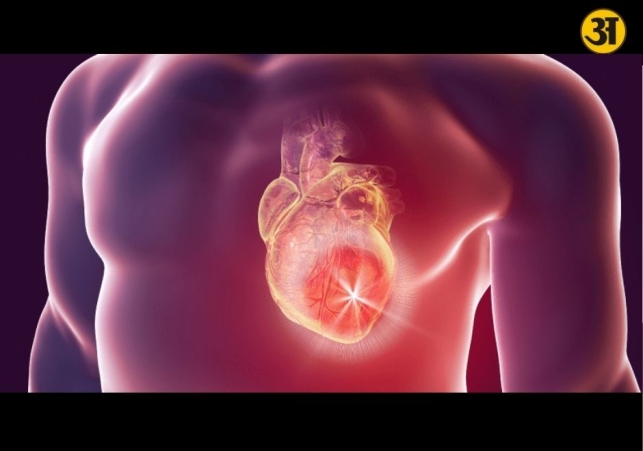
The heart is a powerful muscular organ about the size of a closed fist. It forms part of the cardiovascular system and works continuously to pump blood throughout the body. Since it never stops moving, people often think of the heart as strong, but scientists say its resistance to cancer is linked to something even more interesting.
According to cardiologist Dr Dmitry Yaranov, the heart is considered one of the most cancer-resistant organs in the human body because heart muscle cells divide very little after early life.
To understand this, it helps to know how cancer usually develops.
Cancer happens when cells in the body begin growing in an uncontrolled way. Normally, body cells divide to replace damaged or old cells. During this process, changes called mutations can sometimes occur. If these mutations continue building up, they may eventually lead to cancer.
Many organs in the body constantly replace cells. For example, the skin, lungs and digestive system experience regular cell turnover. Since these organs go through frequent cell division, there are more chances for mutations to happen.
The heart works differently.
Heart muscle cells, known as cardiomyocytes, stop dividing actively after childhood or early adulthood. Since these cells do not frequently reproduce, there are fewer opportunities for dangerous mutations to develop.
In simple words, fewer dividing cells mean fewer chances for cancer to begin.
This is one major reason why cancers in organs such as the lungs, colon, breast and prostate are far more common than cancer beginning inside the heart itself.
Another interesting reason is the heart’s environment.
The heart constantly moves and pumps blood at high speed. Doctors believe this nonstop movement creates conditions that may not be ideal for tumour growth. Unlike some organs where abnormal cells can slowly settle and multiply, the heart’s high-energy activity may make it harder for cancer cells to survive and grow.
This does not mean heart cancer never happens, but it explains why it is extremely uncommon.
Doctors also explain that when tumours are found in the heart, they are more often cancers that spread from other parts of the body rather than cancers that start in the heart itself.
For example, cancers from the lungs, breast or blood may sometimes spread to heart tissue in advanced stages. This is different from primary heart cancer, which starts directly inside the heart and is considered very rare.
ALSO READ: Vaping, smoking and chewing tobacco are harming more than just the lungs, doctors warn
Lifestyle habits still matter for heart health
Although the heart naturally resists cancer better than many organs, doctors warn that this does not mean the heart is protected from disease.
In reality, the heart remains highly vulnerable to unhealthy lifestyle choices.
Heart disease continues to be one of the biggest causes of death worldwide. Conditions such as heart attack, blocked arteries, high blood pressure and heart failure often develop because of daily habits that slowly damage the cardiovascular system.
Interestingly, many of the same behaviours that increase cancer risk also increase heart disease risk.
Doctors say smoking is one of the biggest dangers. Cigarette smoke damages blood vessels, raises blood pressure and increases inflammation inside the body. At the same time, smoking is strongly linked to cancers of the lungs, mouth and throat.
Obesity is another important risk factor. Excess body weight increases pressure on the heart and raises the chances of diabetes, high cholesterol and hypertension. Being overweight is also linked to several cancers.
Poor eating habits also affect both the heart and overall health. Diets high in processed foods, unhealthy fats, sugar and salt can slowly damage blood vessels and raise cholesterol levels.
Physical inactivity creates another problem. Sitting for long periods without exercise weakens cardiovascular fitness and increases the risk of obesity and metabolic disorders.
Chronic inflammation inside the body is another hidden risk that experts talk about. Long-term inflammation may increase the risk of several diseases, including heart disease and some cancers.
Doctors say protecting heart health often begins with simple daily choices.
Eating balanced meals, exercising regularly, staying active, avoiding smoking, sleeping properly and managing stress all help reduce health risks.
Regular health check-ups are also important because conditions such as high blood pressure and diabetes often develop silently.
Medical experts say the biggest lesson here is simple: while the heart may naturally resist cancer better than most organs, it still depends heavily on healthy habits to remain strong.
The heart may be one of the body’s toughest organs against cancer, but it still needs care, attention and protection every single day.
Related News